
티스토리 뷰
Obesity in dogs is not just about excess weight—it is a serious health issue that can significantly impact their overall well-being. Being overweight can lead to joint disorders, cardiovascular disease, diabetes, weakened immunity, and even a shorter lifespan.
This guide provides a comprehensive analysis of the causes of obesity in dogs, prevention strategies, and practical management techniques from a professional perspective.
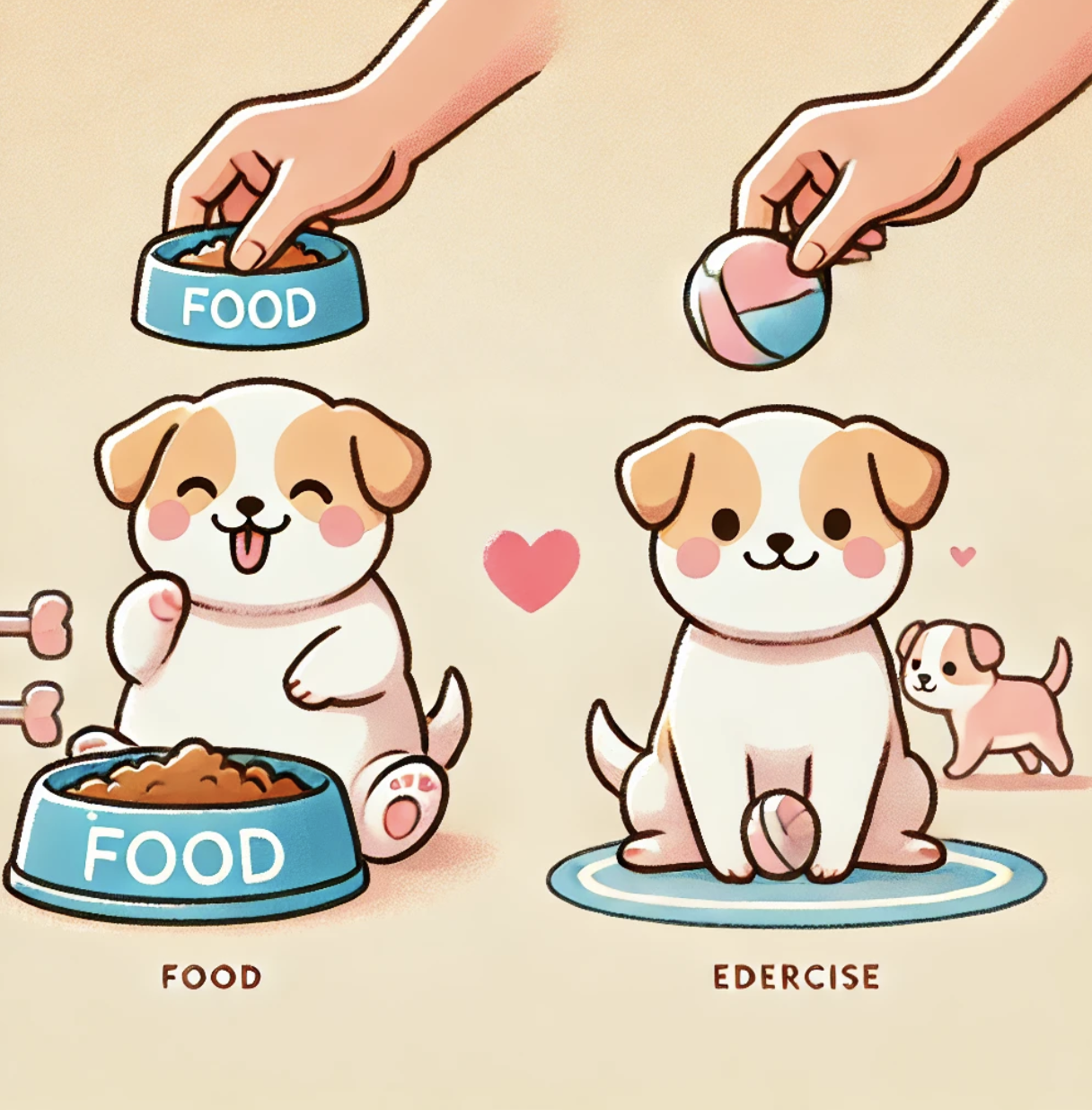
1. Major Causes of Obesity in Dogs
Obesity in dogs is a complex condition caused by multiple factors, including genetic predisposition, lifestyle, and health conditions.
✅ 1) Excessive Caloric Intake
✔ Overfeeding: Providing more food than the recommended portion size
✔ Uncontrolled treat consumption: Frequently giving high-calorie treats
✔ Feeding human food: High-fat and high-carb human food contributes to weight gain
✔ Free-feeding habit: Leaving food available all day increases the likelihood of overeating
✅ 2) Lack of Physical Activity
✔ Reduced walking and exercise: Insufficient daily activity leads to weight gain
✔ Indoor lifestyle: Limited movement due to apartment living
✔ Decreased activity in older dogs: Metabolism slows down naturally with age
✔ Lack of owner engagement: Busy schedules lead to less playtime and exercise
✅ 3) Genetic Factors
✔ Some breeds are more prone to obesity
✔ Breeds at higher risk of obesity:
- Labrador Retriever
- Beagle
- Cocker Spaniel
- Pug
- Dachshund ✔ Dogs with slower metabolisms gain weight more easily, even with controlled food portions
✅ 4) Health Conditions & Hormonal Changes
✔ Hypothyroidism: A slow metabolism leads to weight gain
✔ Cushing’s syndrome: Hormonal imbalances result in increased fat storage
✔ Post-neutering weight gain: Lower activity levels and increased appetite
✔ Kidney and heart disease: Reduced metabolism can cause weight accumulation
2. Preventing Obesity in Dogs
To prevent obesity, proper diet management, regular exercise, and healthy lifestyle habits are essential.
✅ 1) Proper Dietary Management
✔ Feed according to breed and weight: Adjust portions based on activity level
✔ Limit treat consumption: Treats should not exceed 10% of daily caloric intake
✔ Avoid feeding human food: High-fat, salty, and high-carb foods contribute to weight gain
✔ Consider a high-protein, low-carb diet: Helps maintain muscle mass while reducing fat storage
✔ Encourage slow eating: Use food puzzles or nose-work toys to prevent rapid eating
✅ 2) Consistent Exercise Routine
✔ Minimum 30 minutes to 1 hour of walking per day: Increase walking frequency based on dog’s activity needs
✔ Engage in diverse play activities: Fetch, tug-of-war, and hide-and-seek help burn calories
✔ Consider swimming, running, and agility training: Active breeds require additional exercise options
✔ Indoor activities for bad weather days: Nose-work games and interactive toys keep them active
✅ 3) Regular Health Monitoring
✔ Check weight regularly: Monitor monthly weight changes
✔ Consult a veterinarian: Check for obesity-related conditions (hypothyroidism, Cushing’s syndrome, etc.)
✔ Post-neutering weight management: Adjust food portions to compensate for lower metabolism
✔ Consider dietary supplements: Omega-3 fatty acids and glucosamine support joint health
3. Key Considerations for Owners
✅ Weight loss in dogs should be gradual. ✔ Rapid weight loss can negatively impact overall health
✔ Ideal weight reduction rate: 1-2% of body weight per week
✔ Reduce food portions gradually while increasing activity levels
✅ Minimize stress while managing weight. ✔ Sudden reductions in food intake can cause stress and lead to binge eating
✔ Use play and exercise to make weight management enjoyable
4. A New Perspective: Preventing Obesity in Dogs Is About Building a Healthy Lifestyle
Obesity prevention is not just about reducing weight—it is about creating long-term healthy habits.
✅ Establishing sustainable healthy habits: ✔ Owners should incorporate daily exercise routines to strengthen their bond with their dog
✔ Utilize meal times as an opportunity for mental stimulation through nose-work and food puzzles
✔ The goal is not just weight loss but maintaining overall health and well-being
By maintaining a balanced diet and an active lifestyle, dogs can avoid obesity and enjoy a longer, healthier life! 🐶💖
References
- American Kennel Club (AKC) - Dog Obesity and Weight Management
- The Humane Society - How to Keep Your Dog at a Healthy Weight
- Professional research on canine nutrition and behavior
- OGUO
'DOGs' 카테고리의 다른 글
| Schnauzer: A Complete Guide to an Energetic Companion (0) | 2025.03.04 |
|---|---|
| Homemade Strawberry Treats for Dogs: Recipes and Health Benefits (0) | 2025.03.03 |
| Essential Guide to Camping with Your Dog (0) | 2025.03.03 |
| Complete Guide to Dog Potty Training: Top 10 Q&A (0) | 2025.03.02 |
| 강아지 배변 훈련 완벽 가이드 Q&A 10개 (0) | 2025.03.01 |