
티스토리 뷰
Canine Hypertrophic Cardiomyopathy & Heart Disease: Causes, Symptoms, Treatment, and Management
OGUO.official 2025. 3. 4. 15:38A dog's heart is a vital organ responsible for circulating blood throughout the body. When heart disease develops, it can have a significant impact on a dog's overall health and lifespan. Particularly, hypertrophic cardiomyopathy (HCM), dilated cardiomyopathy (DCM), and other heart conditions require early detection and proactive treatment.
This article provides a comprehensive overview of canine heart diseases, including causes, symptoms, diagnosis, treatment, and effective management strategies to help dog owners ensure their pet's well-being.
1. Types of Canine Heart Diseases
There are several types of heart diseases in dogs, with dilated cardiomyopathy (DCM) and hypertrophic cardiomyopathy (HCM) being the most common.
✅ 1) Dilated Cardiomyopathy (DCM)
✔ A condition where the heart muscle becomes thin and weak, reducing its ability to pump blood effectively.
✔ Common in medium-to-large breed dogs, especially Dobermans, Boxers, Great Danes, and Irish Wolfhounds.
✔ Genetically influenced, but can also be linked to taurine and carnitine deficiencies.
✔ High risk of progressing to heart failure, making early treatment essential.
✅ 2) Hypertrophic Cardiomyopathy (HCM)
✔ A condition where the heart muscle thickens abnormally, leading to impaired blood circulation.
✔ More commonly observed in small breeds such as Poodles, Shih Tzus, and Chihuahuas.
✔ Can be caused by genetic factors, high blood pressure, or thyroid disorders.
✔ Often asymptomatic in the early stages, necessitating regular veterinary checkups.
✅ 3) Mitral Valve Disease (MVD)
✔ Most common in small-breed and senior dogs.
✔ Occurs when the mitral valve fails to close properly, causing blood to leak backward and increasing heart strain.
✔ Symptoms include coughing, lethargy, and breathing difficulties.
2. Key Symptoms
Heart disease in dogs can be asymptomatic in the early stages, with symptoms becoming more noticeable as the condition worsens.
✅ 1) Early Symptoms
✔ Lethargy: Reduced energy levels and reluctance to play.
✔ Breathing Difficulties: Increased respiratory effort, especially after exercise.
✔ Decreased Appetite: A drop in food intake due to reduced circulation.
✔ Coughing: More pronounced when resting or sleeping.
✅ 2) Severe Symptoms (Emergency Situations)
✔ Fainting or Collapse: Insufficient blood flow to the brain can cause sudden loss of consciousness.
✔ Swelling or Fluid Retention: Heart failure may lead to fluid accumulation in the abdomen or limbs.
✔ Cardiac Arrest: Severe arrhythmias may lead to sudden heart failure.
3. Diagnostic Methods
Regular veterinary checkups are essential for early detection of heart disease.
✅ 1) Key Diagnostic Tests
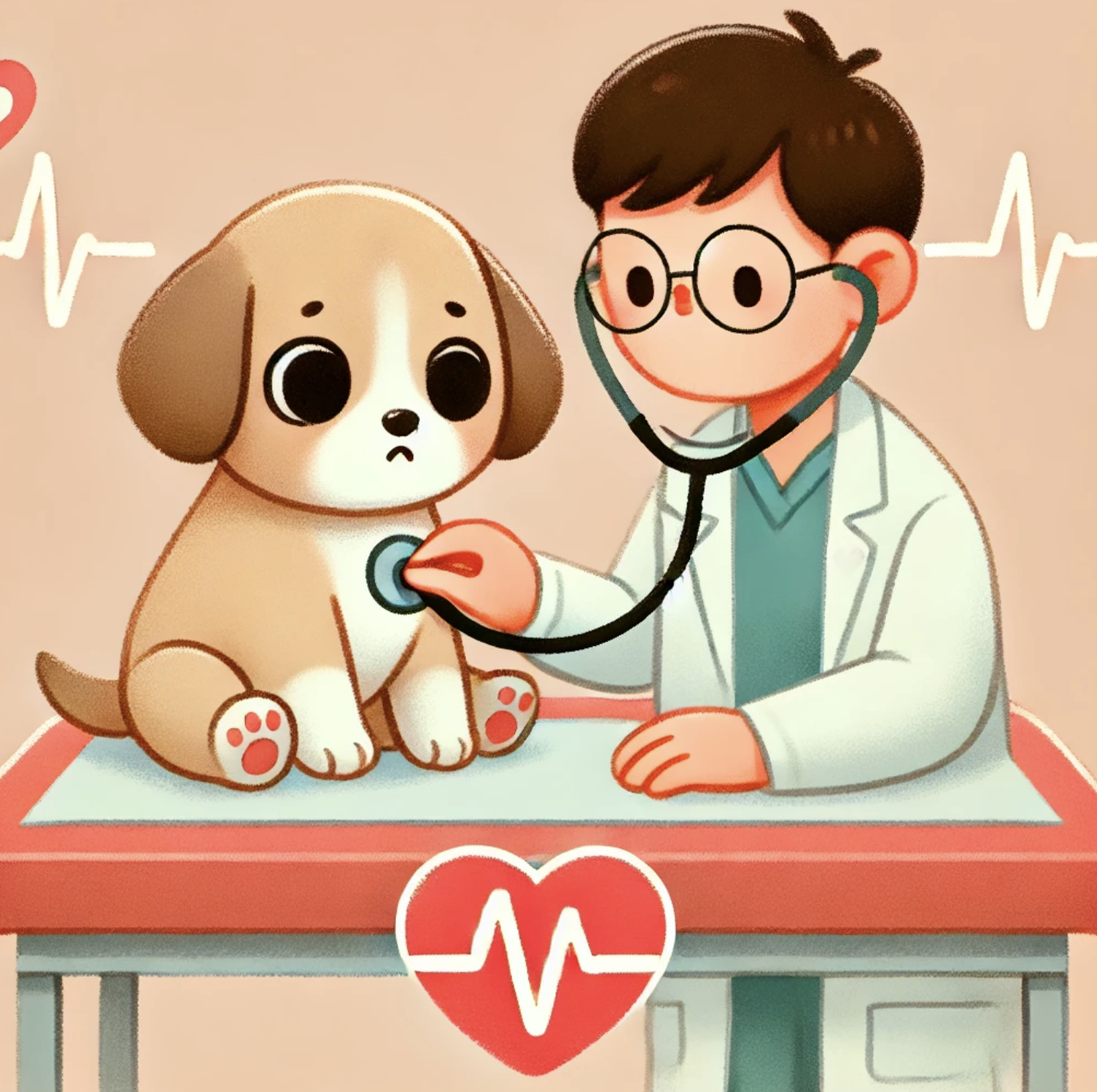
✔ Auscultation (Stethoscope Examination): Detects abnormal heart sounds or murmurs.
✔ Echocardiography (Ultrasound): The most accurate test for assessing structural changes in the heart.
✔ Electrocardiogram (ECG): Identifies heart rhythm abnormalities.
✔ X-ray (Chest Radiograph): Evaluates heart size and pulmonary congestion.
✔ Blood Tests (Including BNP Test): Checks for heart failure markers and co-existing conditions.
4. Treatment and Management Strategies
While heart disease in dogs is often incurable, proper treatment and management can significantly improve their quality of life.
✅ 1) Medications
✔ ACE Inhibitors (Enalapril, Benazepril): Lowers blood pressure and reduces heart strain.
✔ Beta-Blockers (Atenolol, Propranolol): Helps control heart rate and decreases workload on the heart.
✔ Diuretics (Furosemide, Spironolactone): Removes excess fluid from the body to reduce swelling.
✔ Anti-Arrhythmic Drugs (Digoxin, Sotalol): Manages irregular heartbeats.
✔ Taurine & Carnitine Supplements: Essential for preventing and managing DCM.
✅ 2) Lifestyle Management
✔ Regular Veterinary Checkups: Echocardiography every 6–12 months for ongoing monitoring.
✔ Minimizing Stress: A calm environment helps maintain stable heart rates.
✔ Weight Management: Obesity places additional strain on the heart, so a controlled diet and exercise are crucial.
✔ Low-Sodium Diet: Reducing salt intake helps manage blood pressure and prevents fluid retention.
✔ Providing a Comfortable Living Space: Ensuring a peaceful, comfortable area for relaxation.
5. New Perspective: Prevention and Long-Term Management Are Key
Heart disease in dogs can be challenging to detect early, but proactive prevention and continuous care can drastically enhance their quality of life.
✅ The Importance of Preventative Care & Ongoing Management
✔ Early detection through regular checkups is the most effective way to prevent complications.
✔ Owners should closely monitor even subtle changes in their dog's behavior and activity levels.
✔ A well-balanced diet and appropriate lifestyle adjustments are critical for long-term heart health.
A dog's heart health greatly depends on the owner's awareness and care. With consistent monitoring, appropriate treatment, and a loving environment, dogs with heart disease can continue to lead happy and fulfilling lives. 🐶💖
References
- American College of Veterinary Internal Medicine (ACVIM) - Canine Heart Disease Guidelines
- The Journal of Veterinary Cardiology - Diagnosis and Management of Canine Cardiomyopathy
- Research Studies on Pet Cardiac Diseases and Veterinary Expertise