
티스토리 뷰
Cats are natural hunters that rely on physical activity for their well-being. However, indoor cats often lack sufficient exercise, which can lead to obesity, muscle loss, joint problems, and stress-related issues. Regular exercise is essential for maintaining a cat's physical and mental health, ultimately improving their quality of life.
This guide provides a comprehensive overview of the importance of feline exercise, effective workout methods, age-appropriate activities, and precautions to help cat owners support their pet’s healthy lifestyle.
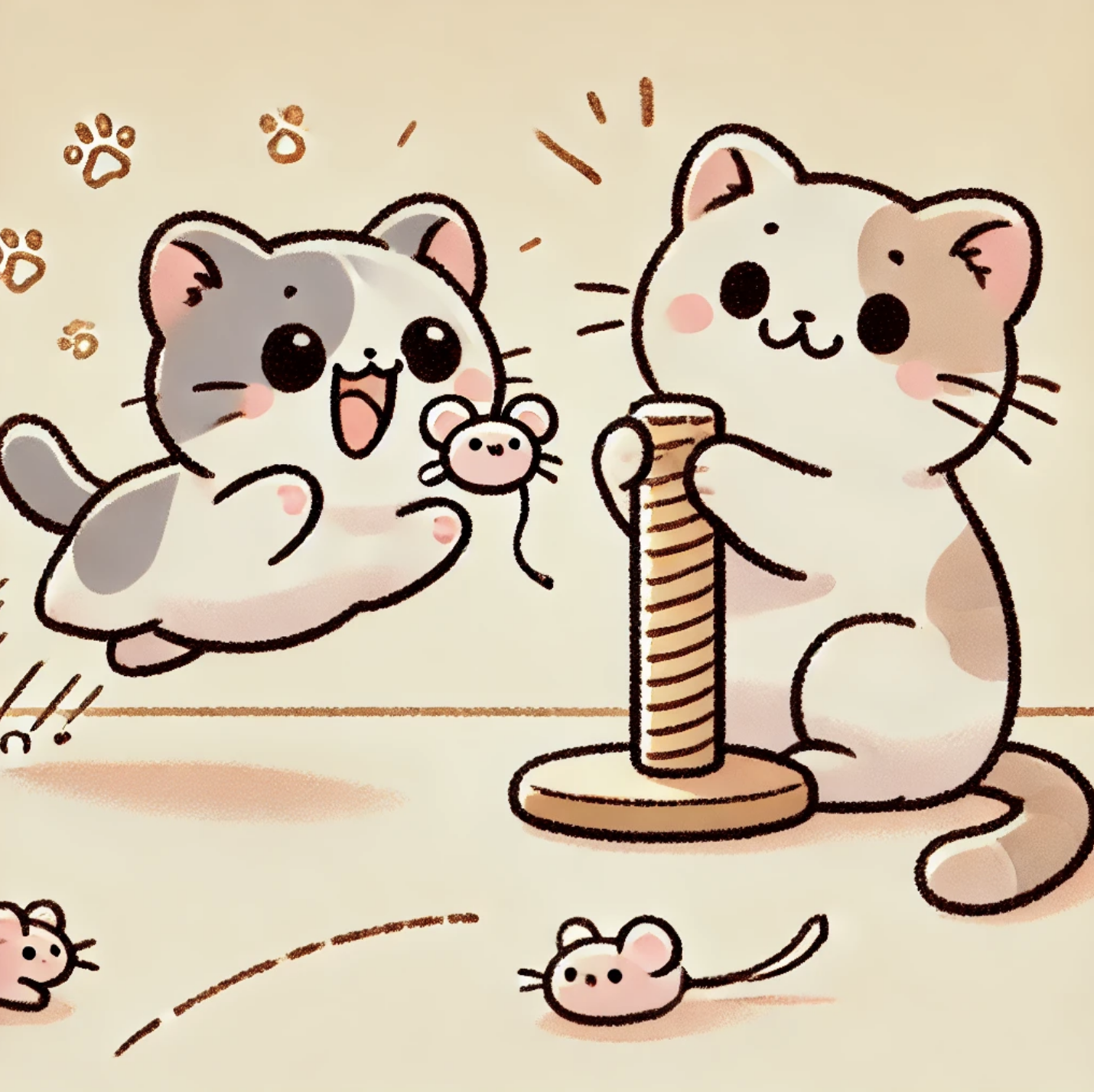
1. Why Exercise Is Essential for Cats
✔ Prevention of Obesity and Weight Management – Indoor cats have limited movement and are prone to weight gain. Regular exercise helps maintain a healthy weight.
✔ Maintaining Muscle and Joint Health – Physical activity strengthens muscles and protects joints, reducing the risk of arthritis in older cats.
✔ Improving Mental Well-being – Lack of exercise can lead to stress and anxiety. Regular activity promotes emotional stability.
✔ Fulfilling Natural Hunting Instincts – Play-based exercise mimics hunting behaviors, providing mental and physical stimulation.
✔ Enhancing Digestion – Movement supports bowel regularity, reducing the risk of constipation.
2. Effective Exercise Methods for Cats
✅ 1) Toy-Based Activities
✔ Fishing Rod Toys – Feather or plush toys attached to a wand encourage chasing and jumping, stimulating a cat’s natural hunting instincts.
✔ Laser Pointers – Chasing a laser dot provides active play, but ensure there is a physical reward at the end to prevent frustration.
✔ Automated Toys – Motion-activated balls or battery-operated toys keep cats entertained even when owners are away.
✅ 2) Utilizing Indoor Space
✔ Cat Towers and Scratching Posts – Vertical structures encourage climbing and jumping, promoting muscle strength and energy expenditure.
✔ Tunnels and Hideouts – Various structures encourage exploration and spontaneous movement, naturally increasing activity levels.
✔ Window Perches – Watching outdoor activity can mentally stimulate a cat; installing perches or shelves near windows can encourage movement.
✅ 3) Interactive Play with Owners
✔ Rolling a Ball – Encourages a cat to chase and pounce, improving agility.
✔ Hide and Seek – Calling your cat while hiding encourages engagement and movement.
✔ Food Puzzle Toys – Hiding treats inside puzzle feeders engages both the body and mind.
3. Age-Appropriate Exercise Plans
✅ 1) Kittens (3–12 Months)
✔ High curiosity and energy levels require varied and engaging activities.
✔ Set up cat towers and climbing structures to encourage exploration.
✔ Regular play sessions with wand toys strengthen bonding with owners.
✅ 2) Adult Cats (1–7 Years)
✔ Hunting-style games such as wand play and laser chasing are effective.
✔ Exercise sessions of 20–30 minutes per day are ideal.
✔ Automated toys help maintain activity levels when owners are unavailable.
✅ 3) Senior Cats (7+ Years)
✔ Avoid excessive jumping; instead, promote gentle movement.
✔ Soft toys, rolling balls, and tunnel exploration are suitable.
✔ Divide exercise into short, frequent sessions to prevent exhaustion.
✔ Gentle massages can aid circulation and muscle maintenance.
4. Precautions When Exercising Cats
✔ Avoid Overexertion – Excessive activity can strain joints; balance exercise intensity.
✔ Provide Rest Periods – Ensure a comfortable resting area after workouts.
✔ Monitor Health Conditions – Cats with existing health issues should have exercise routines adjusted based on veterinary advice.
✔ Ensure Toy Safety – Store toys properly after playtime to prevent accidental ingestion or injury.
5. New Perspective: Tailored Exercise Plans for Individual Cats
Not all cats enjoy the same type of play. A customized exercise plan based on an individual cat’s personality, age, and health condition is essential.
✅ How to Apply Exercise Effectively
✔ Identify Preferences: Observe which activities a cat enjoys and tailor playtime accordingly.
✔ Encourage Natural Movement: Arrange the living space to promote spontaneous activity.
✔ Maintain Interest: Cats lose interest in repetitive activities, so regularly introduce new toys and play styles.
Exercise for cats goes beyond simple play—it is a vital component of physical health and emotional well-being. By implementing a structured exercise routine, owners can ensure their cats lead happy and fulfilling lives. 🐱💖
References
- Journal of Feline Medicine and Surgery - The Importance of Physical Activity in Indoor Cats
- American Veterinary Medical Association (AVMA) - Exercise Guidelines for Cats
- Research Studies on Feline Behavior and Veterinary Science