
티스토리 뷰
Obesity in cats is not merely a matter of excess weight—it is a serious health risk that can significantly impact their well-being. Overweight and obese cats face a higher risk of diabetes, joint disorders, cardiovascular disease, liver disease, and urinary tract issues, and in severe cases, obesity can even shorten their lifespan.
This guide provides a comprehensive analysis of the causes of feline obesity, prevention strategies, and practical management techniques from a professional perspective.
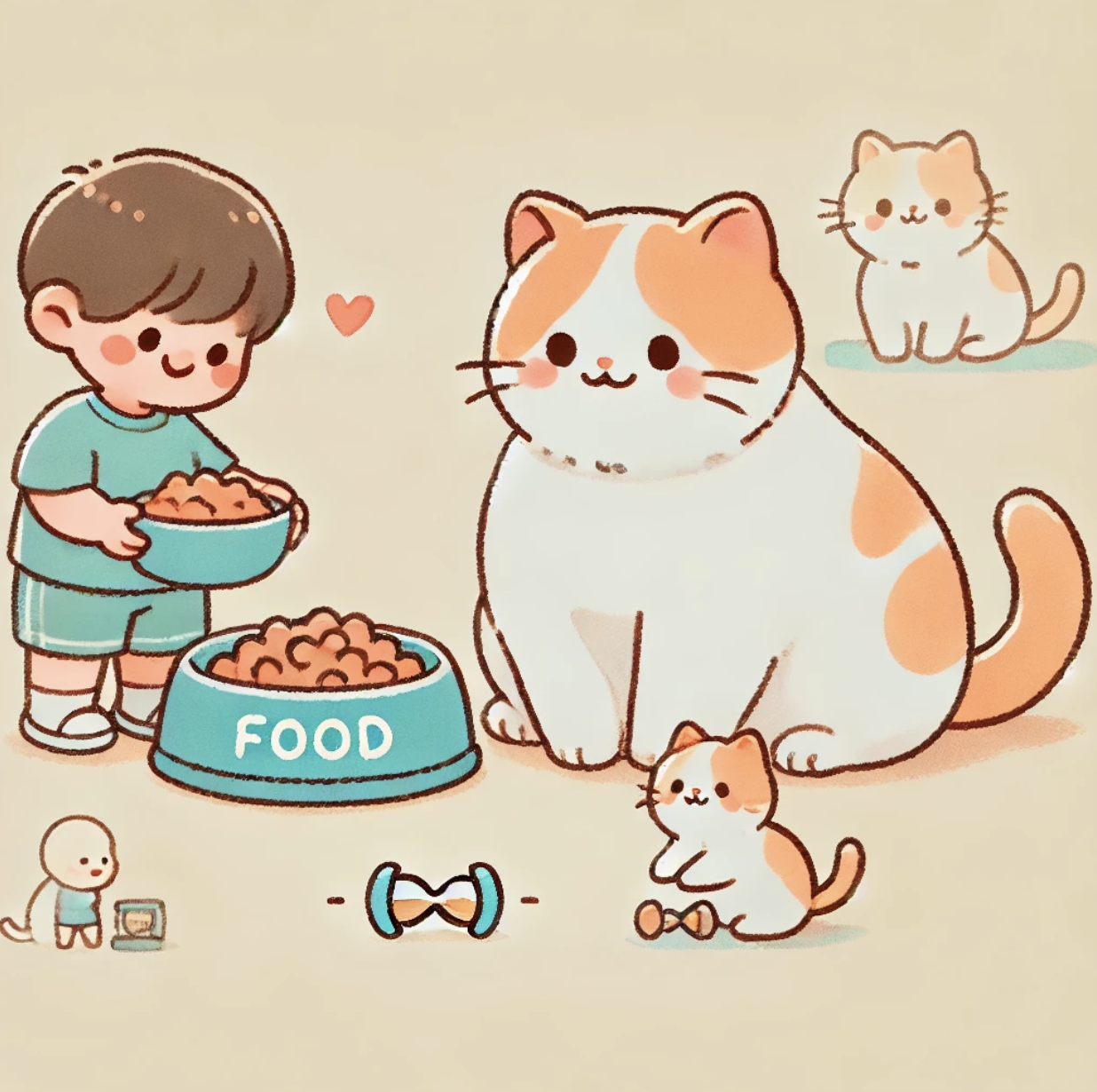
1. Major Causes of Obesity in Cats
Feline obesity is caused by more than just overeating. Dietary habits, activity levels, genetic factors, and underlying health conditions all contribute to excessive weight gain.
✅ 1) Excessive Caloric Intake
✔ Overfeeding: Providing more food than the recommended portion size
✔ Free-feeding habit: Leaving food available all day increases the likelihood of overeating
✔ Excessive treats: Frequent consumption of high-calorie treats can lead to weight gain
✔ Feeding human food: High-fat, high-carb human food promotes fat accumulation
✅ 2) Lack of Exercise
✔ Reduced activity due to indoor lifestyle: Cats with minimal outdoor exposure tend to be less active
✔ Lack of play and stimulation: Without adequate play, cats may not expend enough energy
✔ Decreased metabolism due to aging: As cats age, they naturally become less active and store fat more easily
✔ Lack of owner engagement: Insufficient playtime or environmental stimulation leads to inactivity
✅ 3) Genetic Factors
✔ Certain breeds are more prone to obesity
✔ Breeds at higher risk of obesity:
- British Shorthair
- Munchkin
- American Shorthair
- Persian
- Maine Coon ✔ Cats with slower metabolisms due to genetic predisposition gain weight more easily
✅ 4) Health Conditions & Hormonal Changes
✔ Weight gain after neutering/spaying: Decreased metabolism and increased appetite
✔ Hypothyroidism: Reduced metabolism leads to weight accumulation
✔ Diabetes, liver disease, and other endocrine disorders: Can contribute to excessive weight gain
✔ Stress and psychological factors: Anxiety or stress can increase food consumption
2. Preventing Obesity in Cats
To prevent feline obesity, proper diet control, regular exercise, and consistent health monitoring are essential.
✅ 1) Proper Dietary Management
✔ Feed according to weight and activity level: Adjust food portions based on lifestyle and metabolism
✔ Consider a high-protein, low-carb diet: Reducing carbohydrate intake helps maintain lean muscle mass
✔ Set meal times instead of free-feeding: Feeding 2-3 meals per day at set times prevents overeating
✔ Limit treat intake: Treats should account for no more than 10% of total daily calorie intake
✔ Avoid feeding human food: High-fat, salty, and carbohydrate-heavy foods contribute to weight gain
✔ Use feeding puzzles or slow feeders: Encourages slow eating and increases meal satisfaction
✅ 2) Encouraging Consistent Physical Activity
✔ Provide interactive toys that stimulate hunting instincts: Feather toys, balls, and tunnels keep cats active
✔ Ensure at least 20-30 minutes of play per day: Engage in interactive play to increase activity levels
✔ Incorporate climbing structures: Cat trees and vertical spaces encourage movement
✔ Use treat-based nose work games: Hiding treats in puzzles encourages physical activity
✔ Invest in automated toys: Keeps cats engaged even when the owner is not present
✅ 3) Regular Health Monitoring
✔ Weigh your cat regularly: Check weight monthly to ensure a healthy range
✔ Schedule veterinary check-ups: Detects obesity-related health risks early
✔ Manage post-neutering dietary needs: Adjust food portions to prevent weight gain
✔ Consider dietary supplements: Omega-3 fatty acids, L-carnitine, and other supplements can support weight management
3. Key Considerations for Owners
✅ Weight loss in cats should be gradual. ✔ Rapid weight loss can lead to hepatic lipidosis (fatty liver disease)
✔ An ideal weight reduction target is 1-2% of body weight per month
✔ Reduce food portions gradually while increasing activity levels
✅ Minimize stress while managing weight. ✔ Sudden reductions in food intake may cause stress and result in compensatory overeating
✔ Positive reinforcement techniques should be used to encourage activity
✔ Owners should actively engage in play to increase exercise levels
4. A New Perspective: Preventing Obesity in Cats Is About Building a Healthy Lifestyle
Preventing feline obesity isn’t just about reducing weight—it’s about fostering a lifelong healthy routine.
✅ Establishing sustainable healthy habits: ✔ Owners should dedicate time for play and physical interaction
✔ Utilize mealtime as an opportunity for mental stimulation through puzzle feeders
✔ The goal is not just weight loss but overall health and well-being
By maintaining a balanced diet and active lifestyle, cats can avoid obesity and enjoy a healthier, happier life! 🐱💖
References
- American Veterinary Medical Association (AVMA) - Feline Obesity and Weight Management
- The Humane Society - How to Keep Your Cat at a Healthy Weight
- Professional research on feline nutrition and behavior
- OGUO
'CATs' 카테고리의 다른 글
| Homemade Strawberry Treats for Cats: Recipes and Health Benefits (0) | 2025.03.03 |
|---|---|
| Why Cats Excessively Lick Their Fur and How to Address It (0) | 2025.03.03 |
| Important Considerations When Moving with a Cat (0) | 2025.03.03 |
| 고양이 계란 간식 Q&A: 영양부터 급여법까지 완벽 정리 (0) | 2025.02.05 |
| 고양이 탈모 Q&A 10선: 원인부터 치료까지 모든 것 (0) | 2025.02.03 |