
티스토리 뷰
Cats instinctively groom themselves by licking their fur. However, when excessive grooming becomes persistent, it may indicate underlying issues such as stress, skin conditions, allergies, or medical concerns. In severe cases, excessive licking can lead to hair loss, skin irritation, or even open wounds.
This guide provides a comprehensive analysis of the causes of excessive grooming in cats and effective solutions from a professional perspective, helping owners take the right steps to address the issue.
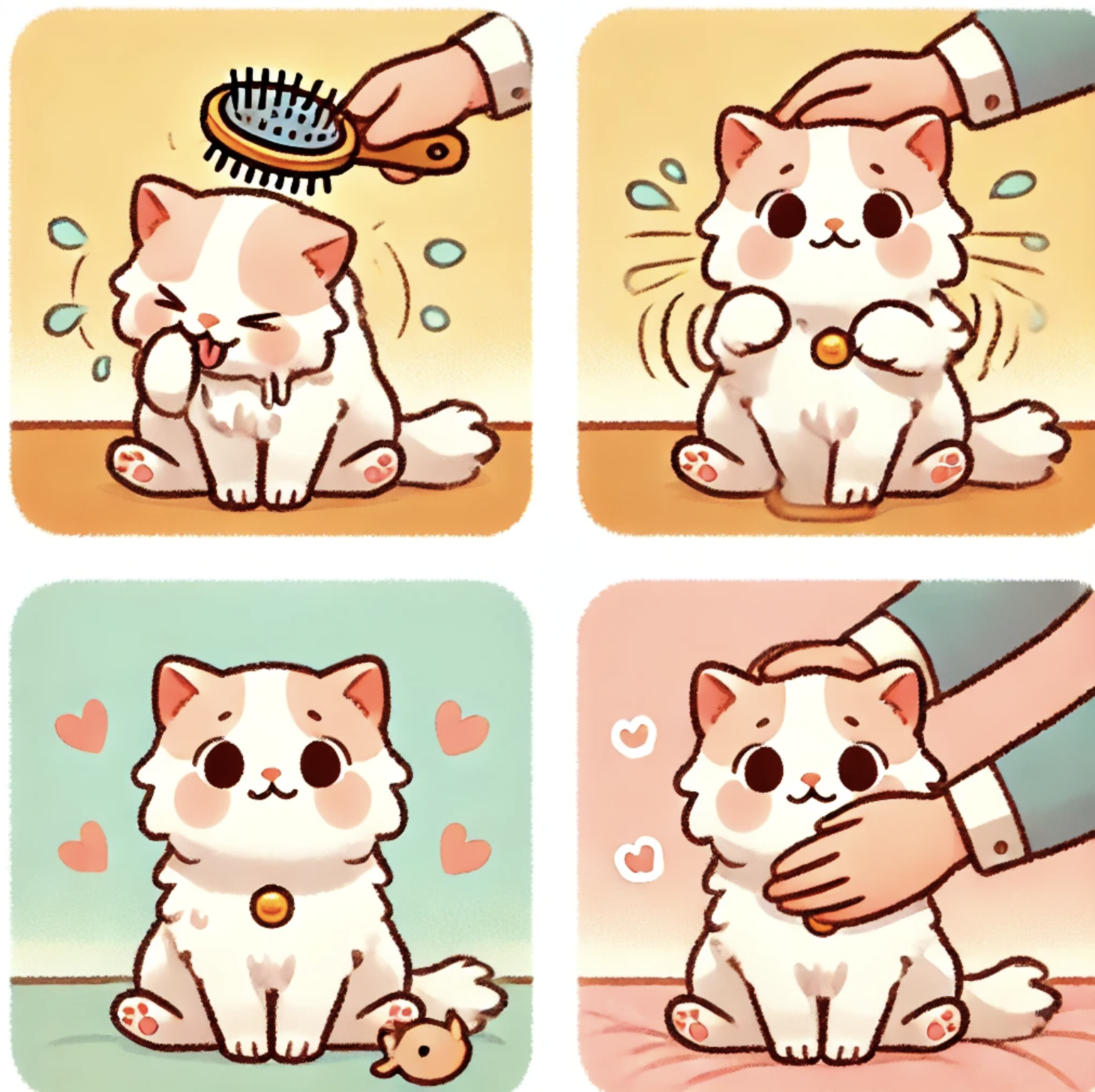
1. Main Causes of Excessive Grooming in Cats
If a cat is licking its fur more than usual and persistently, the following factors could be responsible.
✅ 1) Skin Conditions and Allergies
✔ Parasitic infections: Fleas, mites, and fungal infections can cause itching, leading to excessive licking
✔ Allergic reactions: Food allergies, dust, pollen, detergents, or perfumes can trigger skin irritation
✔ Fungal infections (dermatophytosis): Redness, dandruff, or patches of missing fur could indicate a fungal infection
✔ Dry skin and inflammation: Dry environments can cause itching, and excessive licking may lead to inflammation
✅ 2) Stress and Psychological Factors
✔ Environmental changes: Moving homes, new household members (humans or pets), or furniture rearrangements can trigger stress
✔ Boredom and lack of stimulation: Insufficient play and exercise may lead to over-grooming as a coping mechanism
✔ Obsessive-compulsive behavior (OCD): Chronic stress and anxiety may lead to compulsive licking
✔ Loneliness: Cats that spend long hours alone may lick themselves excessively to self-soothe
✅ 3) Pain and Underlying Health Issues
✔ Arthritis and muscle pain: Repetitive licking of a specific area may indicate localized pain
✔ Urinary tract issues (e.g., cystitis): Excessive licking of the lower abdomen may signal bladder or kidney problems
✔ Digestive problems: If a cat licks its belly excessively and vomits frequently, gastrointestinal issues may be present
✅ 4) Seasonal Shedding and Natural Grooming Behavior
✔ Increased licking during shedding seasons: Cats groom more frequently when shedding fur
✔ Natural grooming habits: Healthy cats spend about 30-50% of their day grooming
✔ Lack of feline companionship: In multi-cat households, cats often groom each other. If a cat is left alone, it may lick itself more often
2. Solutions for Excessive Grooming in Cats
If a cat’s grooming exceeds normal levels, it is essential to determine the cause and implement appropriate solutions.
✅ 1) Treating Skin Conditions and Allergies
✔ Regular parasite prevention: Administer flea and mite treatments to prevent skin irritation
✔ Identify and remove allergens: If excessive licking worsens after switching cat food, consider food allergies and change protein sources
✔ Moisturizing and nutritional care: Provide a diet rich in omega-3 fatty acids to maintain skin health
✔ Consult a veterinarian for medication: Antihistamines or steroids may be necessary in severe cases
✅ 2) Reducing Stress and Improving the Environment
✔ Increase playtime: Engage your cat in interactive play for at least 20-30 minutes daily using toys like feather wands and balls
✔ Use pheromone diffusers: Products like Feliway can help create a calming environment
✔ Maintain a stable living space: Avoid frequent changes in furniture arrangement and provide quiet resting areas
✔ Separate spaces in multi-cat households: If inter-cat tension is causing stress, ensure each cat has its own space
✅ 3) Checking for Pain and Medical Conditions
✔ Visit the vet if a specific area is repeatedly licked: Persistent licking of one spot may indicate pain or an underlying condition
✔ Monitor urinary or bowel issues: Excessive licking of the lower belly could signal bladder inflammation
✔ Schedule routine health checkups: Older cats are more prone to arthritis and chronic conditions
✅ 4) Differentiating Between Normal and Compulsive Grooming
✔ Brush your cat more often during shedding season: This helps reduce self-grooming by removing loose fur
✔ Redirect compulsive licking through enrichment activities: Provide puzzle feeders and interactive toys to keep your cat engaged
✔ Consider behavior therapy or medication for severe cases: If stress-related compulsive grooming persists, behavioral therapy or anti-anxiety medication may be necessary
3. A New Perspective: Grooming as an Indicator of Physical and Emotional Well-Being
Excessive licking in cats is not just about grooming—it can serve as a valuable indicator of their physical and emotional state.
✅ What Excessive Grooming Might Indicate: ✔ Normal grooming habits: Cats naturally spend 30-50% of their day grooming
✔ Stress due to environmental changes: New family members or moving homes may trigger excessive licking
✔ Health issues: Persistent licking of a specific area may indicate pain or an underlying medical condition
Rather than merely trying to stop the behavior, identifying and addressing the root cause is essential for ensuring a cat’s overall well-being.
References
- American Veterinary Medical Association (AVMA) - Feline Grooming Behavior and Health
- The Humane Society - Managing Stress and Anxiety in Cats
- Research studies on feline behavior and dermatological conditions
'CATs' 카테고리의 다른 글
| Feline Hypertrophic Cardiomyopathy (HCM): Causes, Symptoms, Treatment, and Management (0) | 2025.03.04 |
|---|---|
| Homemade Strawberry Treats for Cats: Recipes and Health Benefits (0) | 2025.03.03 |
| Causes and Prevention of Obesity in Cats (0) | 2025.03.03 |
| Important Considerations When Moving with a Cat (0) | 2025.03.03 |
| 고양이 계란 간식 Q&A: 영양부터 급여법까지 완벽 정리 (0) | 2025.02.05 |